A cabbage plant can disappear overnight under the action of flea beetles or cabbage worm caterpillars. Chemical solutions no longer guarantee lasting protection due to the resistance developed by some insects and increasingly strict regulations on treatments. However, alternative methods effectively limit damage and promote the healthy growth of young plants, even in difficult conditions. Classic mistakes in watering or crop rotation often exacerbate exposure to diseases and pests, but a few adjustments can reverse the trend.
Recognizing the main pests and diseases that threaten young cabbage plants
Young cabbages barely have time to settle in before the first threats appear. Visible damage on the underside of the leaves? It might be the cabbage worm: this insect, indifferent to your efforts, chews through your plants with great force. At dusk, cutworms come into play, leaving their dark and irregular marks, while aphids silently invade young shoots and stems, slowing growth by overwhelming them in the hundreds.
Some pests strike lower down. The cabbage fly attacks the roots, causing yellowing and then sudden wilting of very young broccoli, cauliflower, or Brussels sprouts. When the climate becomes humid, slugs and snails emerge, voraciously nibbling and puncturing every leaf, leaving a shiny signature behind.
Fungi and pathogens complete the picture: cabbage root maggot swells the roots into unsightly lumps, damping off annihilates young plants without warning, and downy mildew leaves gray spots on still tender foliage. Each aggressor has its characteristic signs and action schedule: monitor, alert yourself at the slightest hint, and adapt; it’s the only way to cut short the offensive.
To better equip amateur or seasoned gardeners, there are other practical levers to discover, but rather than accumulating risky solutions, it’s better to discover Clic Garden’s tips and target your interventions according to the type of cabbage: head, kale, turnip, or other seasonal varieties.
What protective measures should you prioritize to preserve your cabbages in the garden?
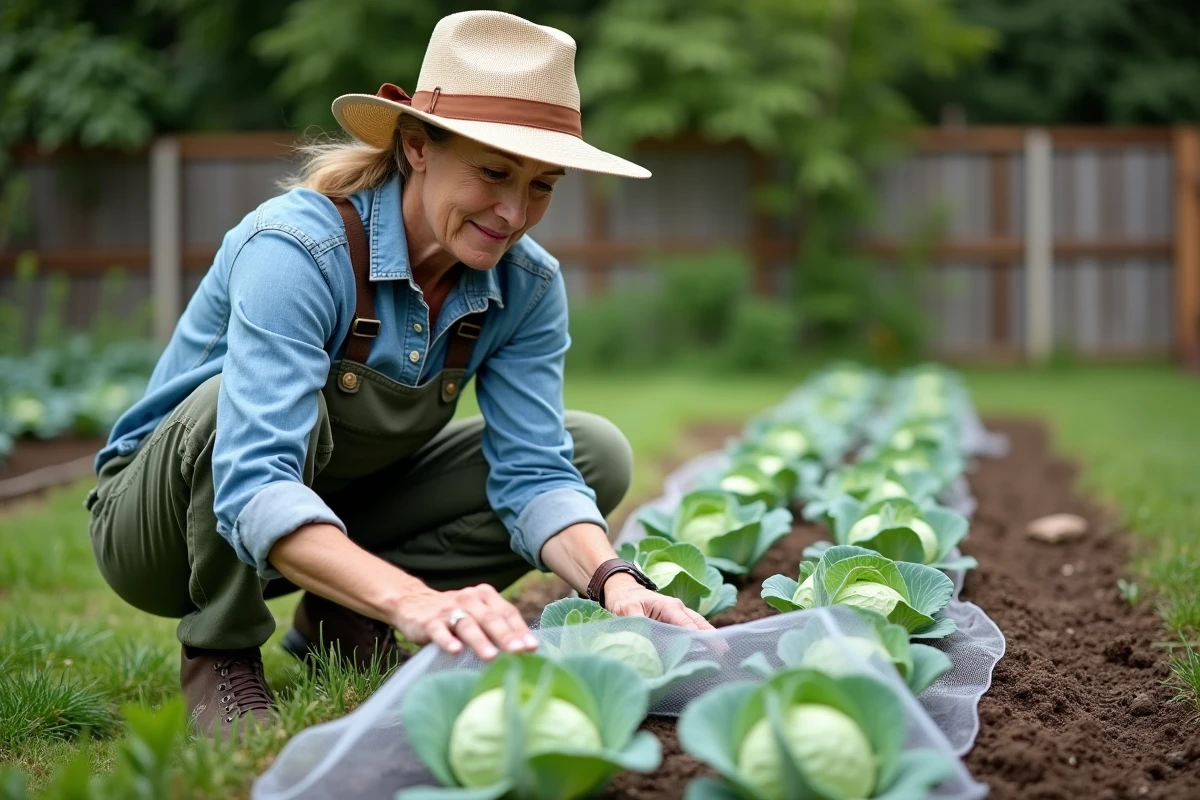
Steering clear of radical products and focusing on effective devices is the key. Nothing beats insect netting to keep butterflies, cabbage flies, and other airborne invaders at bay. Install them promptly, right after planting the young cabbages: their mesh prevents laying eggs, provided you choose a size that is neither too wide to block the cabbage worm nor too fine to ensure aeration.
In parallel, alternating the types of crops from one season to the next, that is, practicing true crop rotation, limits the persistence of larvae in the soil and preserves the vitality of your rows. On at-risk areas, rely on mulching to keep moisture in check, slow down the progress of snails or slugs, and complicate the task for cabbage flies. Opt for straw or buckwheat husks, which nourish the soil life without suffocating it.
In case of visible damage or a spike in infestation, several targeted practices are worth implementing:
- Manual removal of caterpillars or eggs from under the leaves: a direct method, especially over small areas.
- Applying diluted black soap to control persistent aphid colonies, or plant decoctions (garlic, nettle) as sprays to boost the natural resistance of the foliage.
In the most stubborn cases, resorting to biological control is very appropriate: Bacillus thuringiensis targets leaf-eating larvae, while nematodes are effective against soil pests. Keep a light hand and follow recommendations to avoid any ecological imbalance. Spacing your plants, promoting good aeration, and controlling moisture are all reflexes to adopt to slow the spread of pathogens.
Practical tips and natural tricks to enhance the effectiveness of your defenses
To turn a patch of cabbages into a resilient stronghold, focus on companion planting. Pair your plants with aromatic herbs, thyme, mint, rosemary, sage, or some bolder allies like wormwood, tansy, or even white clover. Their scents disturb pest insects and limit the harmful ballet around your cabbages. Also, integrate flowers like marigolds or umbellifers to attract natural allies known for their fierce appetite for unwanted pests: hoverflies, ladybugs, and parasitoid wasps leave no chance for aphids or young caterpillars.
Another pillar: encouraging the presence of beneficial organisms. Great tits and robins glean caterpillars and larvae, while the discreet hedgehog tirelessly attacks gastropods. To enrich this pool of allies, multiply refuge corners, wood piles, hedges, grassy areas, and water points. A varied, lively garden automatically reduces pest pressure.
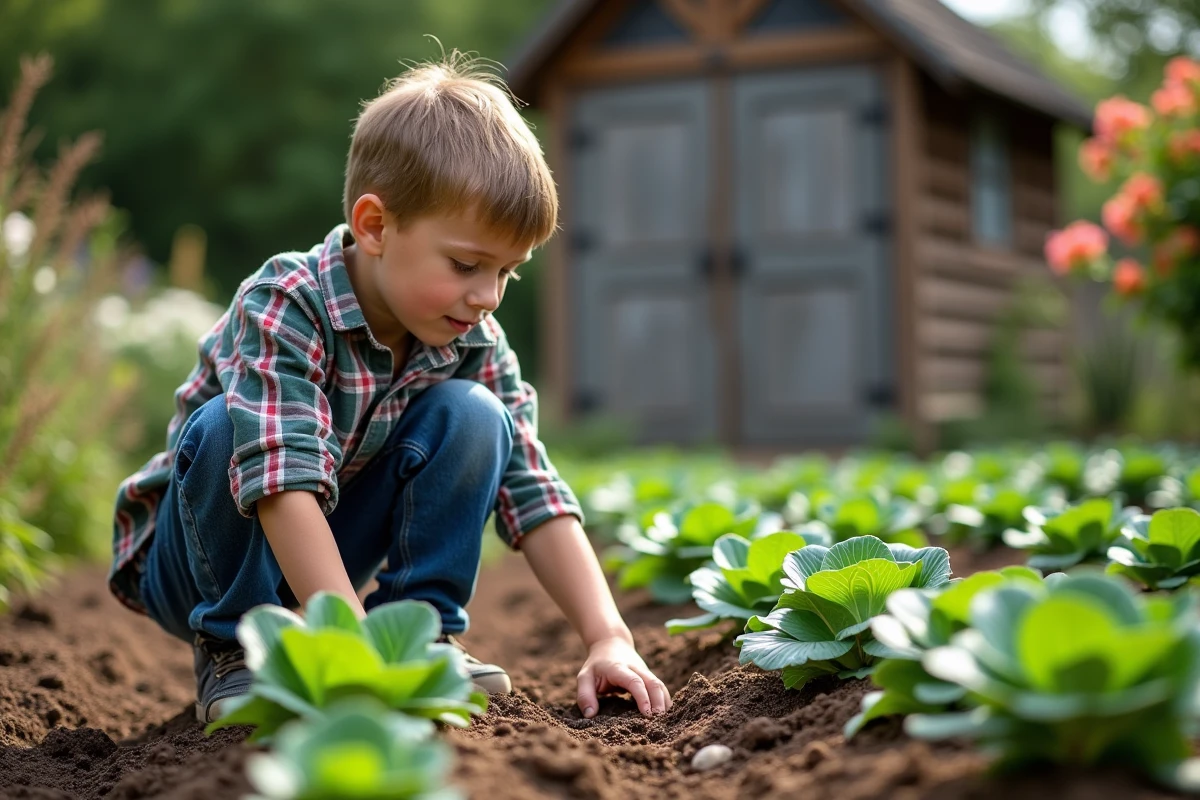
Do not underestimate the power of the soil beneath your feet. Amend it regularly with compost, work the surface to avoid compaction, and keep an eye on moisture: a living soil provides robust roots and significantly reduces vulnerability to diseases. A simple excess of water or overly compacted soil can upset the balance.
Check your plants often: a few eggs detected early, a caterpillar caught in time, and entire rows are saved. This diligence, combined with natural actions, transforms the gardener’s daily life and forges a vegetable garden where every cabbage thrives, upright and resilient, despite the season’s challenges.
The true garden of abundance is one where no pest rules, and where every cabbage plant is living proof that vigilance and inventiveness are worth more than all the chemical treatments in the world.