When living in an apartment, without a garden and with a busy boulevard under the windows, advice on natural motherhood can seem out of place. However, adopting a natural approach during pregnancy and the first months with a baby doesn’t necessarily require direct access to the forest. A few concrete adjustments are enough to create a healthy environment, even in the heart of the city.
Natural motherhood in an urban environment: adapting practices to a limited space
Most resources on natural parenting assume you have a calm outdoor space, clean air, and room to breathe. In the city, the reality is different: compact apartments, air pollution, constant background noise.
Have you noticed that your baby is more restless in a noisy or overheated environment? The indoor air of an apartment is often more polluted than the outdoor air, due to volatile compounds emitted by furniture, paints, and cleaning products. Ventilating for ten minutes morning and evening, even by a busy road, is still preferable to stagnant air filled with household pollutants.
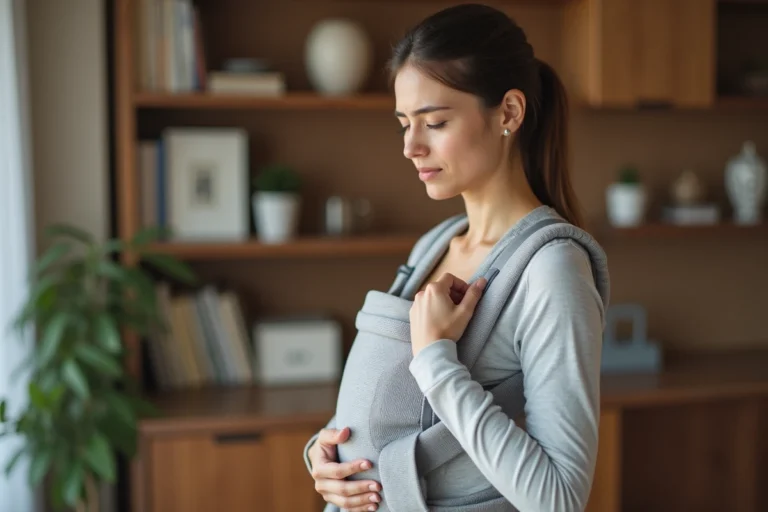
For outings, prioritize parks and pedestrian streets during off-peak hours. Physiological carrying makes these trips easier by freeing your hands and maintaining reassuring physical contact with the infant. Platforms like naturallymom.fr gather practical tips to integrate these habits into urban daily life without guilt.
Birth preparation: choosing a method that suits you
There are several approaches to childbirth preparation, and the choice depends as much on your body as on your expectations. Two methods deserve attention because they meet distinct needs.
Bodywork with a midwife
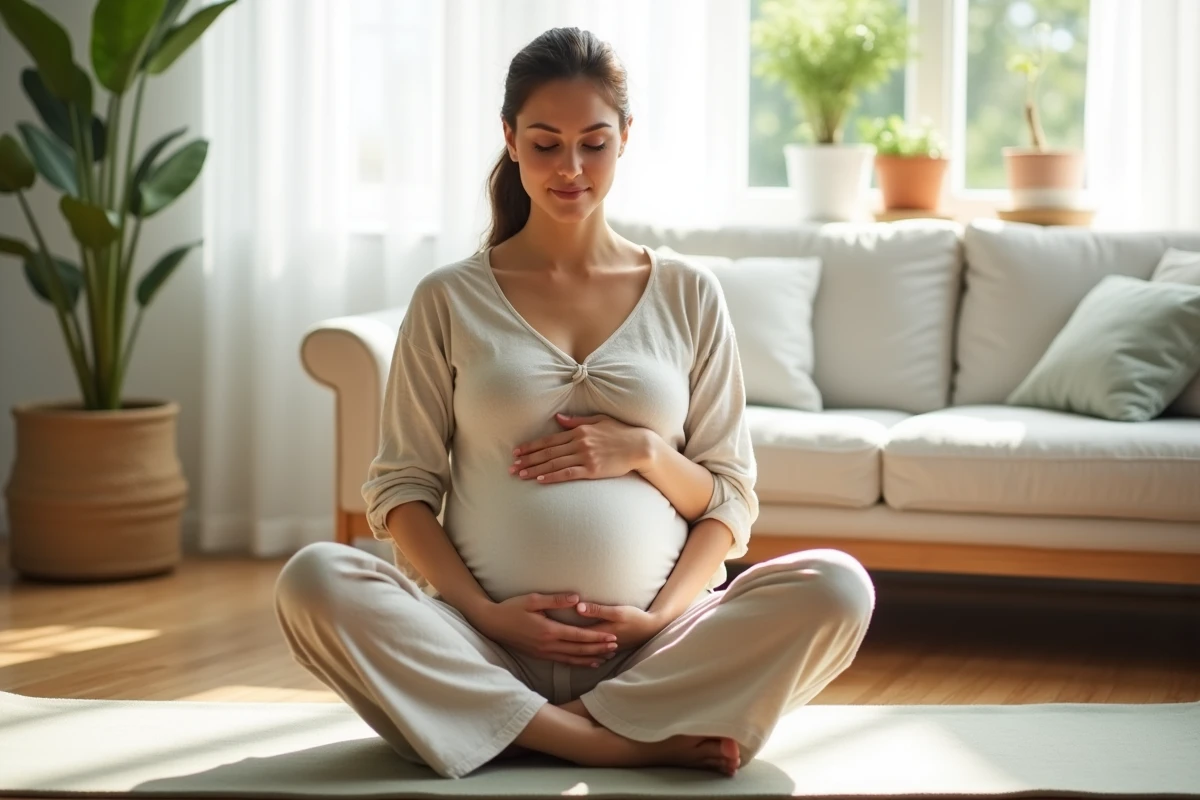
Traditional preparation with a midwife often includes breathing exercises, pelvic mobilization, and pain management. These sessions serve both to prepare the body and to ask concrete questions about the childbirth process, possible positions, and the role of the father or companion.
In urban areas, many midwifery practices also offer small group sessions. The benefit goes beyond the technique: meeting other pregnant women in the same neighborhood creates a support network for the weeks following the birth.
Complementary approaches: haptonomy and sophrology
Haptonomy works on the emotional bond between parents and child before birth, through touch. The father finds an active role here, which is not the case in all methods. Sophrology, on the other hand, focuses on stress management and positive visualization, two useful tools when experiencing a pregnancy in a stimulating environment.
No method is superior to another from a medical standpoint. The most reliable criterion for choice remains your personal comfort and the quality of the relationship with the practitioner.
Sleep and postpartum well-being: what really helps mother and baby
The first weeks after birth are marked by a lack of sleep that nothing really prepares you for. A few natural practices can alleviate fatigue without resorting to complicated solutions.
- Daily walks with the baby, even short ones, regulate the mother’s circadian rhythm and expose the infant to natural light, gradually promoting the distinction between day and night. A qualitative study conducted by the University of Bordeaux on “intuitive walking” reported a significant decrease in baby blues symptoms among participants.
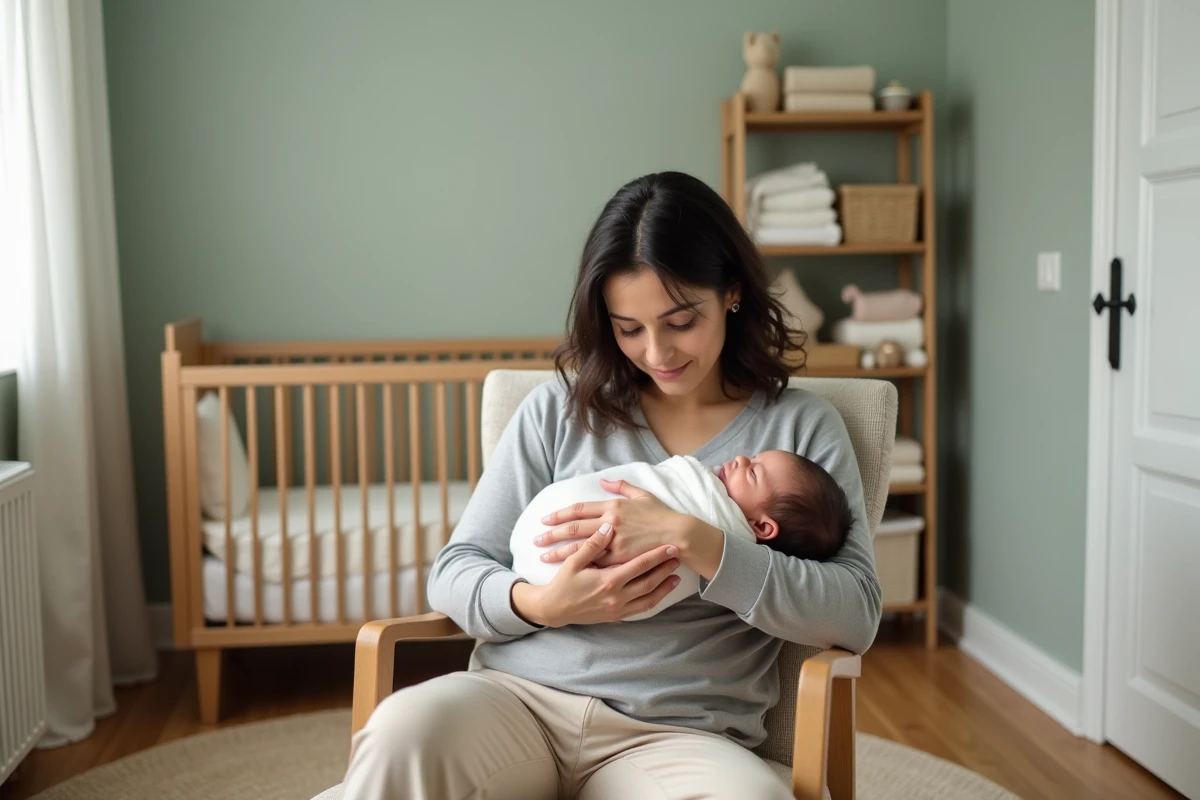
- Skin-to-skin contact is not limited to the first hours in the maternity ward. Practiced regularly at home, it stimulates oxytocin production in the mother and calms the baby’s nervous system. It’s a simple gesture that requires no equipment or space.
- Self-massage with vegetable oil (sesame, sweet almond) is a practice documented in several traditions. A WHO report published in 2026 on traditional practices highlighted the effectiveness of these rituals on mother-baby sleep quality compared to other approaches.
Prefer certified organic vegetable oils without essential oils for any contact with an infant. EFSA recommended in 2026 to avoid products containing non-certified essential oils in direct contact with babies due to allergenic risks.

Healthy home environment for baby: the important gestures
Why this topic rather than a long list of products to buy? Because reducing sources of indoor pollution is cheaper than replacing them with marketing-driven “natural” alternatives.
Start with the textiles in contact with the baby: sheets, bodysuits, sleeping bags. New clothes contain chemical residues from manufacturing. A wash before first use, with a fragrance-free detergent, eliminates most of these residues.
For the nursery, avoid painting or placing new furniture in the weeks leading up to the birth. Volatile organic compounds take several weeks to dissipate. If the living space is small and the baby’s room is also your bedroom, ventilating twice a day remains the most effective gesture.
Natural cleaning products (white vinegar, black soap, baking soda) are sufficient to clean surfaces in contact with an infant. They do not emit irritating compounds and cost a fraction of specialized cleaners.
Developing the parent-child bond without external pressure
Carrying, breastfeeding, co-sleeping: these practices fuel passionate debates. Each family operates differently, and social pressure around the “right” natural choice can become a source of stress, exactly the opposite of the intended goal.
What fosters the development of the bond is regularity and attentive presence. A parent who bottle-feeds while looking their child in the eyes creates as much connection as a parent who breastfeeds. The bond is built in the repetition of daily gestures, not in adhering to a protocol.
Outdoor parenting workshops, sometimes referred to as “forest parenting,” are developing in several French cities. The French Association of Natural Pedagogy documented this trend in its 2025 report. These workshops provide a framework to get out of the house, meet other parents, and observe your child in a different environment.
Flourishing motherhood is not just a list of practices labeled “natural.” It involves choices adapted to your real situation, your home, your neighborhood, and your current energy. A simple gesture, repeated with attention, is always better than an ambitious program abandoned after three days.