
A cat that grooms itself less often, a dog that has been ignoring its bowl for two days, a rabbit that stays huddled in a corner of its cage: these small changes sometimes go unnoticed, but they tell a lot. Taking care of your pets on a daily basis starts with learning to read these signals, then adjusting a few simple habits that make a real difference in their well-being.
Mental stimulation: a need that most owners underestimate
Have you ever noticed a dog that destroys shoes or a cat that scratches the sofa for no apparent reason? These behaviors often indicate a problem of boredom, not a lack of training.
Chronic boredom is recognized as a significant factor of distress, just like poor nutrition. An animal that lacks cognitive stimulation may withdraw into itself, lose its curiosity, or develop compulsive behaviors.
Some concrete ideas work well. Food-search games require the dog or cat to solve a small problem before accessing their reward. A simple sniffing mat for a dog, or a treat-dispensing ball for a cat, turns mealtime into a mental activity.
Very short learning sessions (two to three minutes) practiced every day strengthen the bond and engage memory. To find suitable accessories, Animalya offers a wide selection categorized by species, making the search easier.
The idea is not to fill the day with activities, but to vary the stimuli throughout the week: an obstacle course to explore on Monday, a new toy on Wednesday, an obedience session on Friday. This rotation prevents the animal from getting bored with just one type of game.

Diet adapted to your pet’s age and species
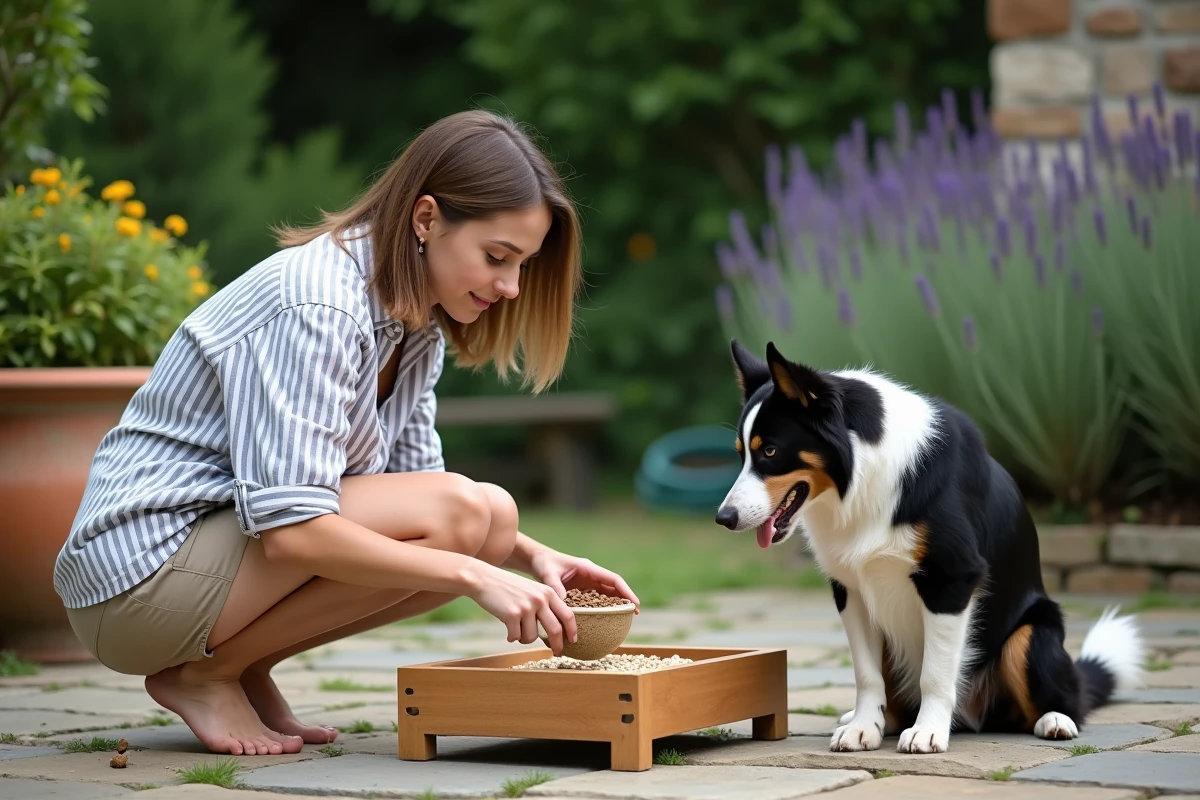
A growing kitten, an overweight senior dog, and an adult rabbit have nothing in common nutritionally. Adapting the bowl to each profile remains the most crucial daily care gesture.
Dogs and cats: common mistakes
Many owners choose food based on price or brand, without checking the composition. The reflex to adopt: read the ingredient list. Animal proteins should be listed first on the label. If the first ingredient is a grain, the nutritional quality is likely insufficient.
The quantity is as important as the quality. A dog fed ad libitum gradually gains weight, often without it being obvious. Weighing the daily ration with a measuring cup (or better, a kitchen scale) prevents this drift.
Exotic pets: needs often poorly understood
New pets (rabbits, guinea pigs, birds, reptiles) require very specific feeding routines. A rabbit, for example, needs unlimited hay to wear down its continuously growing teeth. Feeding it primarily pellets creates a dental imbalance in just a few months.
- Rabbits and guinea pigs: quality hay ad libitum, daily fresh vegetables, limited supplemental pellets.
- Birds (parakeets, canaries): species-appropriate seed mix, small amounts of fresh fruits and vegetables several times a week.
- Reptiles: diet varies by species (live insects, plants, rodents), with calcium supplementation often necessary.
The veterinarian remains the best source for calibrating the diet of each species, especially for exotic pets whose needs are less known to the general public.
Observing behavior to detect health problems early
An animal does not verbalize its pain. It manifests it through behavioral changes, sometimes subtle. Knowing how to spot them allows for action before the problem worsens.
Here are the signals that deserve special attention:
- A cat that stops grooming itself or, conversely, excessively licks the same spot.
- A dog that refuses to climb stairs it previously ascended without issue (a possible sign of joint pain).
- A rodent that reduces its hay consumption (a common dental problem in rabbits).
- A sudden social withdrawal: the animal hides, sleeps much more, or no longer approaches you spontaneously.
A decrease in curiosity or play lasting more than two days justifies a call to the veterinarian. This type of daily vigilance is much more effective than an isolated annual visit.
Veterinary teleconsultation, a complementary tool
Remote behavioral follow-up is developing. Some veterinarians offer micro-consultations via video to assess a behavior change without moving the animal. This does not replace a clinical examination but allows for quick sorting between a simple temporary episode and a reason for urgent consultation.
Hygiene and daily maintenance: what really matters
Grooming, brushing, litter box maintenance, or habitat care: these daily care gestures may seem obvious, but their frequency and method make a difference.
For a long-haired dog, brushing every two days prevents the formation of knots that pull on the skin and cause irritation. For an indoor cat, weekly brushing reduces the amount of hair ingested during grooming and limits hairballs.
Cleaning the cat’s litter box at least once a day is not just a matter of odor. A soiled box may cause some cats to hold back or relieve themselves elsewhere, which generates stress.
For exotic pets, habitat maintenance is even more crucial. A rodent’s cage should be thoroughly cleaned each week, with a partial litter change every two or three days. A reptile terrarium requires daily monitoring of temperature and humidity, two vital parameters for these species.
Ultimately, taking care of your pets rests on three pillars: careful observation, adapting the diet to each profile, and stimulating the mind as much as the body. These simple gestures, repeated daily, matter far more than a one-time purchase of expensive equipment. The best investment for your companion is your regular attention.