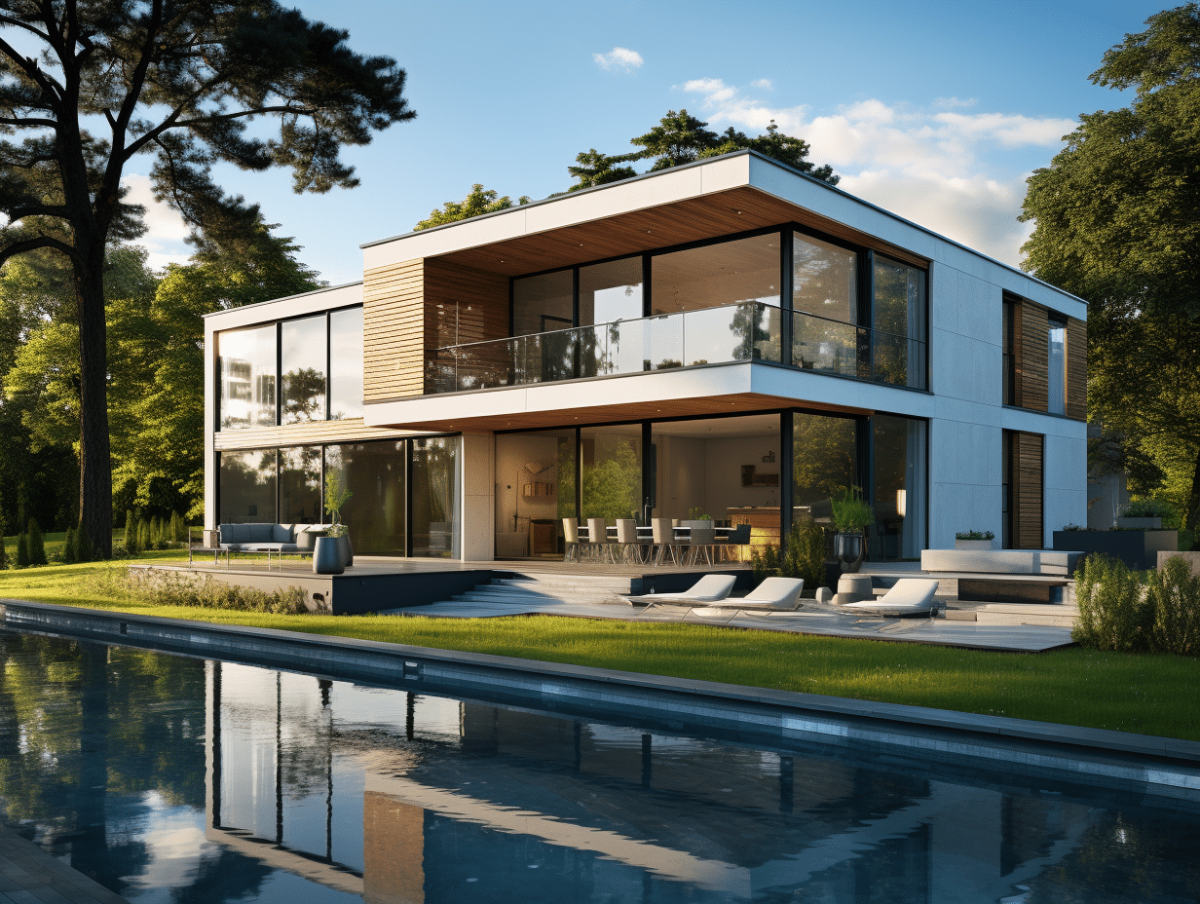
The solar orientation of a property is a factor that is often underestimated, yet essential, when purchasing or building a home. This criterion influences not only the natural brightness of the rooms but also their temperature, which can significantly impact living comfort and energy consumption. Moreover, a well-oriented house in relation to the sun can offer substantial savings on heating in winter and air conditioning in summer. Considering the impact of solar orientation is therefore a fundamental aspect to optimize both energy efficiency and well-being within the home.
The impact of solar orientation on the value and comfort of a property
Brightness and sunlight shape the daily life of inhabited spaces, conditioning the quality of life within the home. The northwest exposure, how long does the sun shine?? This is a question that arises when evaluating the orientation of a house or an apartment. This orientation indeed provides sunlight in the late afternoon, coveted for pleasant evenings and sunsets. Such exposure positively influences the perception of space and, by extension, the real estate value of the property.
The solar orientation of a property, beyond its effects on brightness, plays a crucial role in energy savings. A south orientation increases thermal gain in winter and reduces the need for artificial lighting, while a north orientation, less advantageous in this regard, can lead to higher heating bills. This aspect is so critical that the FNAIM emphasizes orientation as one of the primary real estate purchase factors, to the point that certain orientations are more valued and therefore more expensive.
The exposure of an apartment or house influences not only thermal and light comfort but also the layout of the rooms. Living spaces, for example, will benefit from a south or west orientation to maximize natural light and warmth during daylight hours. An unobstructed view combined with good exposure is an undeniable advantage, increasing brightness and sunlight, criteria increasingly sought after by discerning buyers.
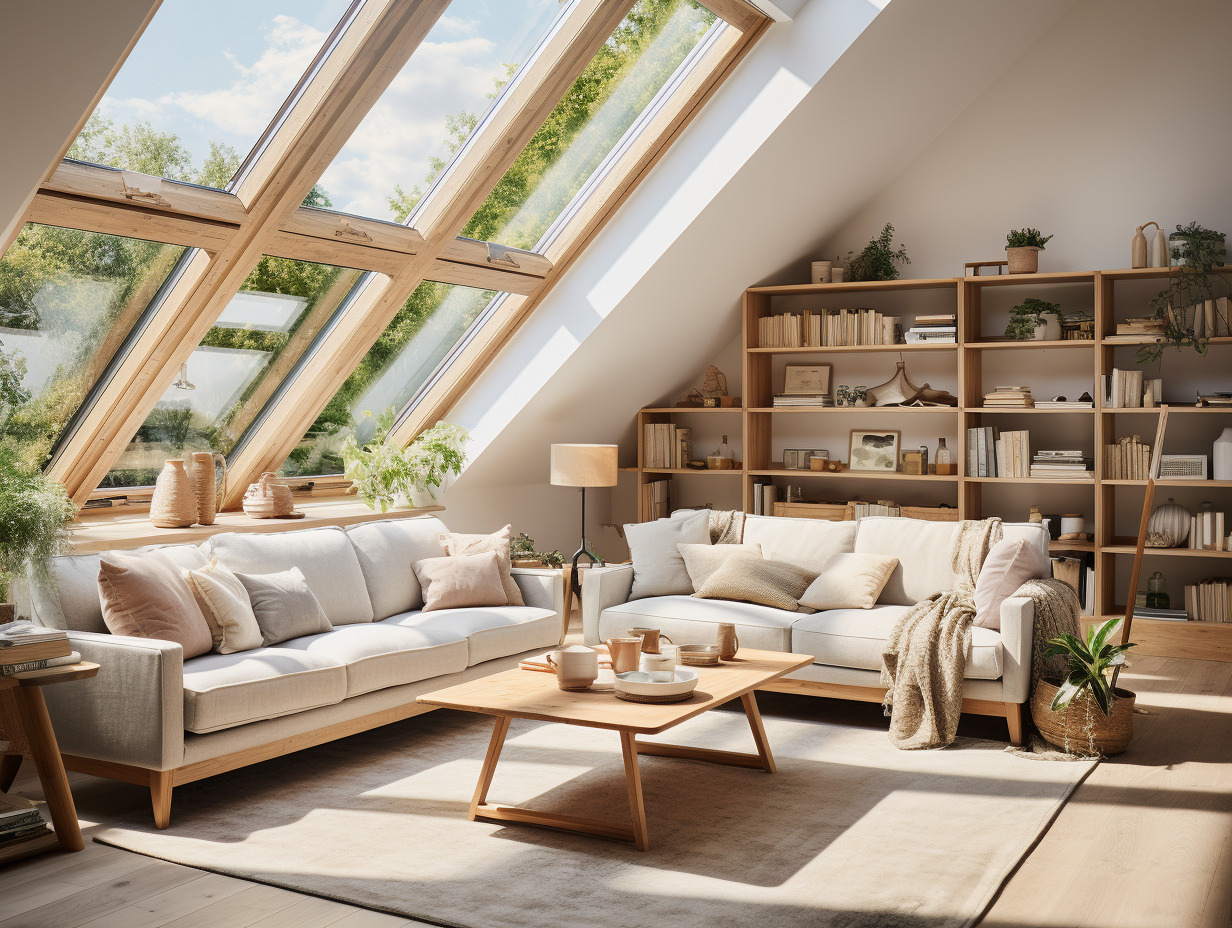
Optimizing solar orientation for energy efficiency and well-being
The construction and urban planning sector, aware of the challenges of the energy transition, now integrates solar orientation optimization as an essential link in real estate design. The energy efficiency of a building is indeed correlated to its orientation: a house oriented due south in the northern hemisphere will benefit from optimal sunlight for passive heating, while a diagonal orientation can prevent summer overheating and winter solar deficits. The layout of spaces, the arrangement of openings, and the integration of shades are designed to regulate the indoor temperature and maximize occupant comfort.
The production of electricity by photovoltaic installations also benefits from a careful study of the orientation and tilt of solar panels. The optimal tilt, located between 30° and 35°, combined with a due south orientation, substantially increases the energy yield of the panels. Silicon cells, activated by photons, see their efficiency enhanced under these conditions. Monocrystalline solar panels, with an efficiency of around 22%, are a preferred choice for those looking to maximize their photovoltaic self-consumption.
Alternative solutions, such as solar carports or vertical solar panels, are emerging to meet the specific constraints of certain sites. These innovations allow for solar energy production even when traditional orientation is not feasible. Collective self-consumption, a model for sharing locally produced energy, is part of a circular economy and energy solidarity approach, paving the way for a more rational and democratic management of solar resources.