
In a world where an image is worth a thousand words, the visual quality of your online content can make all the difference. A professional presentation is not just about choosing a beautiful photo, but also about optimizing that image for the web. Poorly adjusted or low-resolution photos can distract from the main message and give an impression of amateurism.
Optimization involves several key steps: resizing for better adaptation to different screens, compression for reduced loading times, and color adjustment for maximum visual impact. By mastering these techniques, you ensure that your images have a polished and professional appearance, essential for capturing and retaining your audience’s interest.
Why and how to choose high-quality images
The quality of images plays a fundamental role in the aesthetics and SEO of websites, blogs, and online shops. Well-chosen and optimized images can not only enhance the visual appearance of your platform but also strengthen its organic search ranking. A high-quality image immediately catches the user’s eye and holds their attention, creating a positive first impression.
To enhance the aesthetics of your site, opt for sharp and well-composed images. Use professional image banks such as Zupimages to access a vast collection of high-resolution photos. These platforms also allow you to credit the authors, ensuring respect for copyright.
- Use high-resolution images for more accurate renderings.
- Always credit the authors of the images to respect intellectual property.
- Choose images that match your content for greater coherence.
To improve SEO, images must be well optimized. This includes using appropriate formats such as JPEG for photos or PNG for images requiring transparency. File sizes should be reduced without compromising visual quality to minimize page loading times, a key factor for SEO. Add relevant alt texts to your images to better index them by search engines.
A high-quality image is a major asset for any website, blog, or online shop. It enhances aesthetics and SEO while respecting copyright through platforms like Zupimages. Take the time to choose and optimize your images to ensure a professional and appealing presentation. 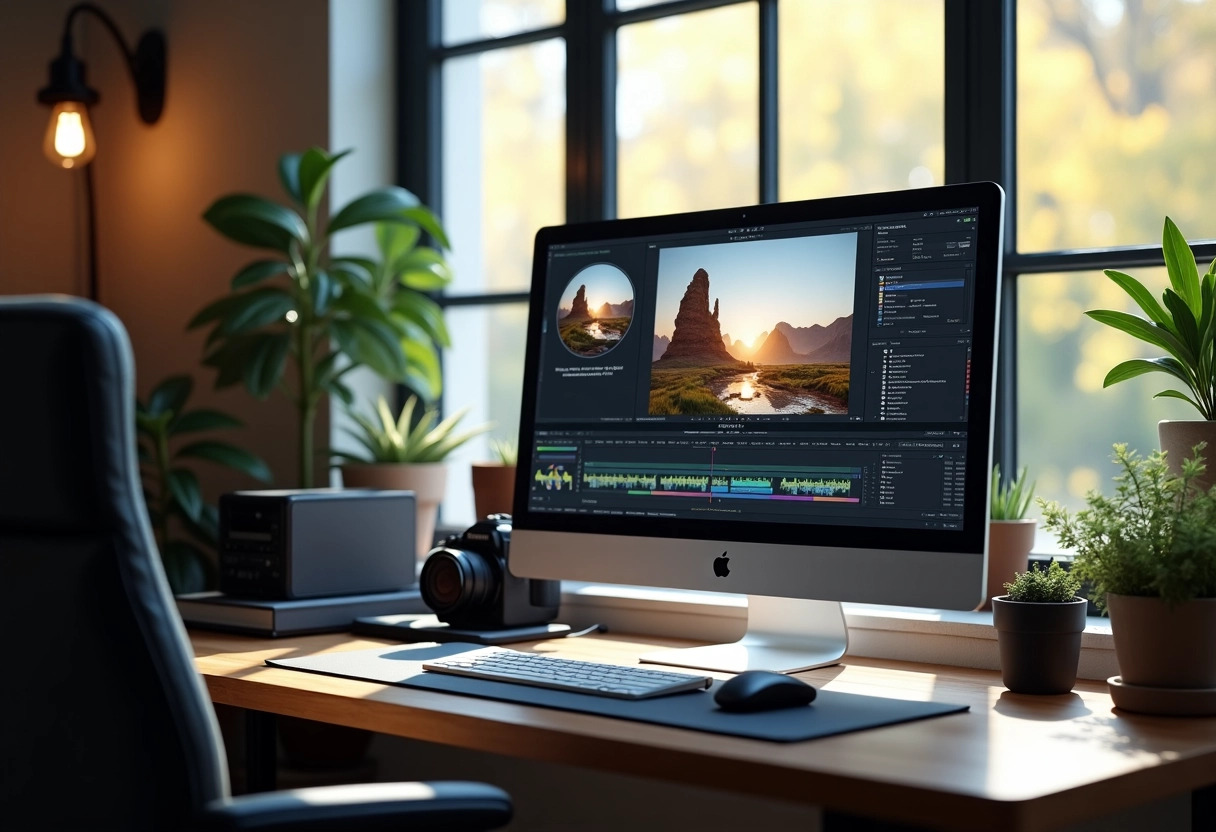
Techniques and tools to optimize your images online
Online image optimization relies on several effective techniques and tools. Using suitable file formats is essential to ensure visual quality while minimizing file sizes. The JPEG and PNG formats are the most commonly used. JPEG is ideal for photos due to its ability to efficiently manage colors, while PNG is preferable for images requiring transparency.
Online tools play a crucial role. Pixlr is a simple and effective online image editing software that allows you to resize, crop, and adjust colors. Canva and PiktoChart are free tools for creating attractive and customized visuals. Logo Creator specializes in creating professional logos. These tools offer various features to meet different design needs.
- Pixlr: online image editing tool.
- Canva: create customized visuals.
- PiktoChart: ideal for infographics.
- Logo Creator: specialized in logos.
Optimization also involves good management of image size and resolution. Properly reducing file sizes improves page loading times, a key factor for SEO. Don’t forget to add relevant alt texts to your images. These texts help search engines better understand the content of your images, thus strengthening your organic search ranking.
Combine the use of suitable formats, effective tools, and good file size management to optimize your images online.