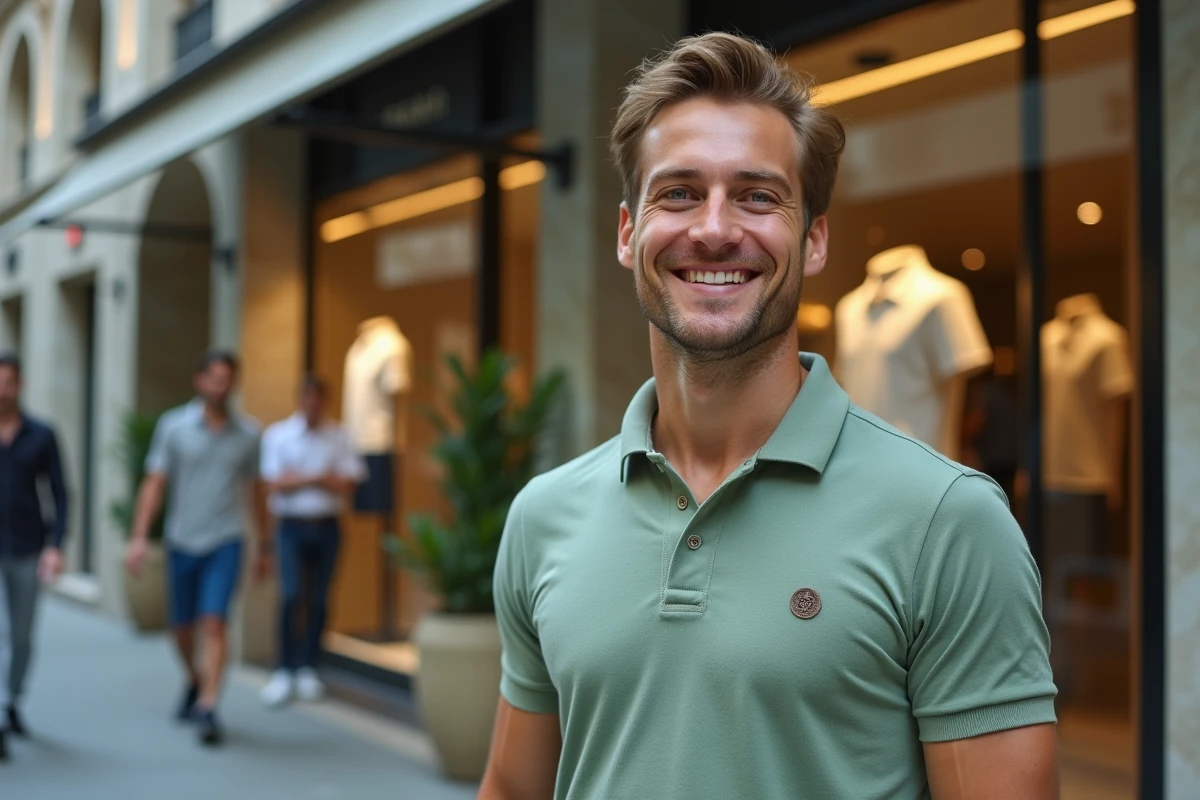
When thinking of Lacoste, the polo and the crocodile immediately come to mind. This French brand, founded by René Lacoste, has established itself in the fashion market by combining sporting heritage with everyday elegance. However, the chic sportswear segment is now attracting very different players, and the competition does not always come from where one might expect.
Athleisure and premium lifestyle: the rivals Lacoste didn’t foresee
Have you noticed that polos are now worn just as much in the gym as in the office? This blurring of codes benefits brands like Lululemon or Alo, which develop lifestyle pieces (technical polos, breathable knit shirts) encroaching directly on Lacoste’s historical territory.
Nike and Adidas are also pushing their “premium lifestyle” lines, well beyond pure sports. Their capsule collections and collaborations with fashion designers position them as direct competitors in the high-end casual wear niche. Chic sportswear is no longer reserved for traditional fashion brands.
To learn everything about Lacoste’s competition, one must look far beyond classic ready-to-wear and include these players from the sportswear sector.
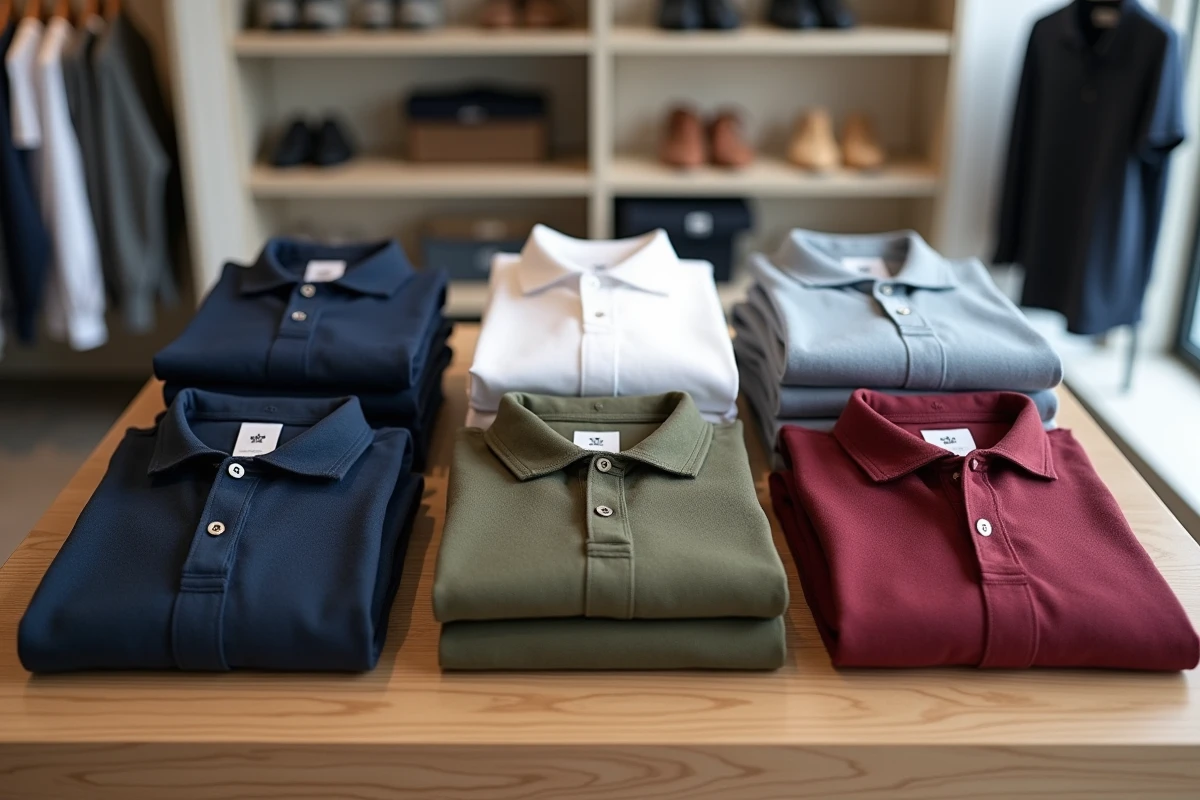
Ralph Lauren and Tommy Hilfiger against Lacoste: polo versus polo
The most visible duel remains that of the polos. Ralph Lauren, with its embroidered rider, targets an American “preppy” positioning. Tommy Hilfiger plays the card of casual style with bright colors. Both brands share with Lacoste a clientele looking for a recognizable logo garment worn daily.
What sets them apart concretely
- Ralph Lauren covers a very wide price spectrum, from the accessible Polo line to the high-end Purple Label collections, allowing it to reach multiple generations
- Tommy Hilfiger relies on frequent collaborations (with celebrities, designers) to remain visible to a younger audience
- Lacoste capitalizes on its French sporting heritage and its historical link with tennis, reinforced by partnerships like the one with Novak Djokovic
The difference often lies in geographical positioning. In France, Lacoste benefits from a likability linked to its origins. In the United States, Ralph Lauren clearly dominates this niche.
Fred Perry and Hugo Boss: two strategies to nibble at the same market
Fred Perry shares a tennis origin with Lacoste. The laurel embroidered on the chest, like the crocodile, refers to a sporty universe that has become fashion. However, Fred Perry has rooted itself in British subcultures (mod, punk, streetwear) with a more urban and less conservative positioning.
Hugo Boss targets an audience that wants premium without entering luxury. The German brand covers suits, casual wear, and sportswear with a more corporate image. In the polo and casual pieces segment, Boss finds itself in direct competition with Lacoste, particularly in Europe.
Why these brands are gaining ground
Fred Perry and Hugo Boss have understood that the “accessible premium” market is growing. Consumers want discreet logo pieces, a quality of knit superior to fast-fashion brands, but without luxury pricing. This is exactly the niche that Lacoste has occupied since the 1930s, and the space is getting tight.

The second-hand market: an unexpected competitor for fashion brands
This is not a brand, but it is a phenomenon that changes the game. Resale platforms like Vinted are reshuffling the deck of the premium ready-to-wear market in France. A second-hand Lacoste polo sells for a fraction of its new price, altering the perception of value.
For a company like Lacoste, whose crocodile logo remains highly sought after, the second-hand market represents both a threat to new sales and proof of desirability. Brands with strong brand equity resist better against second-hand, as their pieces retain a high resale value.
Ralph Lauren and Tommy Hilfiger face the same phenomenon. The difference lies in the response. Some brands launch their own buy-back or refurbishment programs to maintain control over their image and clientele.
French fashion and sports positioning: Lacoste’s asset against its competitors
Lacoste has a lever that neither Ralph Lauren nor Hugo Boss can replicate: its anchoring in the history of French sports. The group remains associated with tennis, golf, and Parisian elegance. This “sport and French fashion” positioning serves as a differentiator in a globalized market where brands struggle to stand out.
Association with figures like Djokovic reinforces this image. Lacoste’s marketing also relies on the crocodile logo, which has become a symbol recognized well beyond the fashion world, protecting the brand from rapid commoditization.
Thus, Lacoste’s competition is no longer limited to a few polo brands. It includes giants of sportswear, athleisure labels, and even resale platforms. The brands that will come out on top are those that protect their identity while adapting to new distribution channels and the expectations of a clientele that blends sport, fashion, and sustainability.